Your RV or Boat Is Losing Value Every Day: Here's How Smart Storage Helps Protect Your Investment
Owning an RV or boat is about much more than having another vehicle sitting in the driveway. It represents weekends on the water, family camping trips, spontaneous road adventures, and the freedom to explore Missouri whenever the opportunity arises. Residents of Liberty are fortunate to have easy access to destinations like Smithville Lake, Watkins Mill State Park, and countless campgrounds throughout northern Missouri, making recreational vehicles an investment that can create memories for years. At the same time, they are also among the most expensive recreational purchases many families ever make, which makes protecting that investment an important part of ownership.
One reality that surprises many first-time owners is how quickly recreational vehicles begin losing value. Unlike collectibles or certain specialty vehicles that may appreciate over time, most RVs and boats start depreciating the moment they leave the dealership. While depreciation is inevitable, the speed at which your investment loses value depends largely on how well you maintain it. Proper cleaning, preventative maintenance, routine inspections, and thoughtful storage all play an important role in keeping your RV or boat looking and performing its best for years to come.
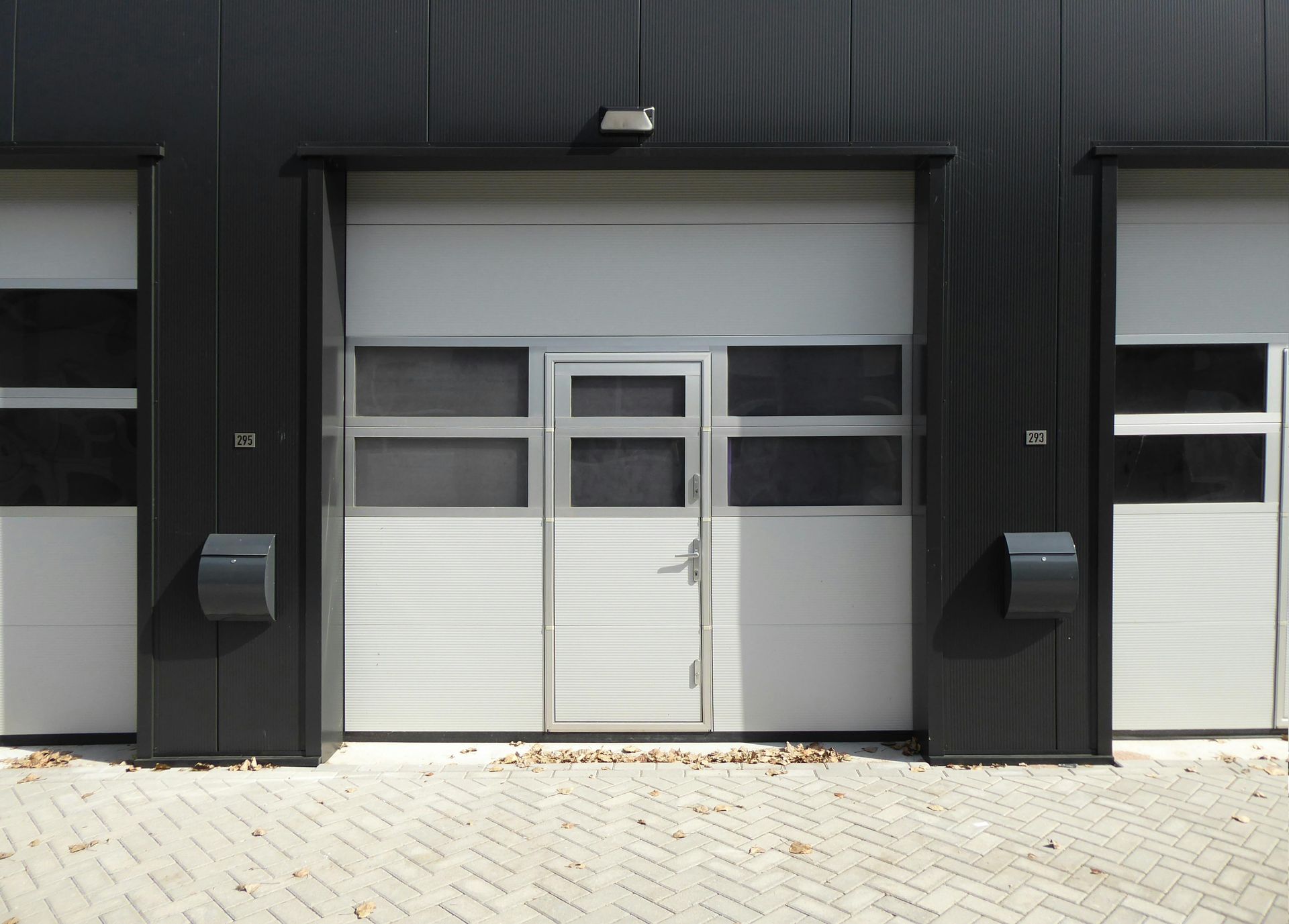
Fortunately, there are several practical ways to slow unnecessary depreciation. By taking preventative steps before placing your vehicle into storage and giving it the care it deserves throughout the year, you can preserve both its appearance and mechanical condition while reducing expensive repairs later. If you're looking for storage options in Liberty, MO, choosing a facility that provides the right amount of space is one of the first steps toward protecting your investment. Before selecting a unit or parking space, reviewing the storage size guide can help you determine the best fit for your RV or boat.
Key Points for Readers Short on Time
- Every RV and boat naturally depreciates over time, but proper care can significantly slow unnecessary value loss.
- Sun exposure, moisture, pests, and neglected maintenance often reduce resale value faster than age alone.
- Cleaning, servicing, and preparing your vehicle before storage helps prevent costly repairs.
- Organized maintenance records improve buyer confidence and often support higher resale values.
- Proper storage allows Liberty owners to spend more time enjoying Missouri's lakes and campgrounds instead of repairing preventable damage.
Why RVs and Boats Lose Value Faster Than Many Owners Expect
Depreciation is one of those ownership costs that many people rarely think about until they decide to sell or trade in their recreational vehicle. Simply put, depreciation is the gradual decline in market value over time. Every year, an RV or boat becomes older, accumulates mileage or engine hours, and experiences normal wear that affects what buyers are willing to pay. Although this process cannot be completely avoided, understanding what contributes to depreciation can help owners slow the decline and preserve as much value as possible.
Like automobiles, most recreational vehicles experience their largest drop in value during the first several years after purchase. According to the National Automobile Dealers Association (NADA), depreciation varies widely depending on factors such as the manufacturer, maintenance history, mileage, overall condition, and market demand. A well-cared-for RV that receives consistent maintenance and proper storage will almost always retain more value than an identical model that has been neglected. However, age is only one piece of the puzzle. In many cases, poor storage habits and deferred maintenance reduce resale value much faster than the calendar alone. Cosmetic damage, mechanical issues, and visible neglect immediately influence a buyer's perception, making proper care throughout ownership one of the smartest financial decisions an owner can make.
The Biggest Factors That Accelerate Depreciation
Although some depreciation is unavoidable, several common issues dramatically increase the rate at which recreational vehicles lose value. Fortunately, many of these problems are preventable with regular inspections and thoughtful storage practices.
Continuous Sun Exposure
One of the most overlooked threats to an RV or boat is prolonged exposure to sunlight. Ultraviolet rays slowly break down exterior materials year after year. Fiberglass begins to oxidize, decals start fading, rubber seals become brittle, and painted surfaces gradually lose their shine. Interior materials suffer as well, especially dashboards, vinyl seating, flooring, and upholstery that receive direct sunlight through windows. These changes often happen so gradually that owners barely notice them. However, when compared to a similar vehicle that has been properly protected, the difference becomes immediately apparent. Buyers frequently associate faded paint or cracked trim with poor overall maintenance, even when the mechanical systems remain in excellent condition. Protecting the exterior from unnecessary exposure whenever the vehicle is not being used helps preserve its appearance while reducing expensive cosmetic restoration later.
Moisture Can Cause Expensive Hidden Damage
While scratches and fading are easy to notice, water damage is often much more serious because it develops quietly over time. Even a tiny leak around a roof vent, window, hatch, or seam can allow moisture to slowly enter the vehicle. Months later, that small leak may have resulted in mold, mildew, soft flooring, damaged insulation, or structural deterioration. Boats face additional challenges because water exposure is naturally part of ownership. Salt residue, standing water, and excess humidity can accelerate corrosion on metal components while encouraging mildew growth inside storage compartments and cabins. Because moisture problems are frequently hidden behind walls or beneath flooring, buyers tend to inspect carefully for any evidence of leaks before making a purchase. Preventing water intrusion is almost always less expensive than repairing the damage after it spreads.
Neglected Maintenance Adds Up Quickly
Many owners understandably assume that once their RV or boat is parked, it requires very little attention until the next trip. In reality, periods of inactivity create their own maintenance challenges. Fuel can begin deteriorating over time, batteries slowly discharge, tires lose pressure, lubricants settle, seals dry out, and moving components may begin developing corrosion if they sit unused for months. What begins as routine maintenance can eventually become costly repairs simply because the vehicle remains parked without periodic inspections. Developing a maintenance routine before placing your recreational vehicle into storage helps avoid these preventable problems. Changing fluids when recommended, checking tire pressure, maintaining batteries, and inspecting seals are all relatively simple tasks that can significantly reduce repair costs while helping preserve resale value.
Rodents and Other Pests Love Parked Recreational Vehicles
One issue many new owners underestimate is how attractive parked RVs and boats can be to rodents and insects. A vehicle that sits quietly for weeks or months provides shelter, warmth, and plenty of hidden spaces for nesting. Unfortunately, rodents rarely stay confined to storage compartments. They frequently chew electrical wiring, plumbing lines, insulation, air ducts, seat cushions, and even engine components. Electrical repairs alone can become extremely expensive while also creating frustrating problems that are difficult to diagnose. Fortunately, preventing infestations is much easier than repairing the damage afterward. Cleaning the interior thoroughly, removing food, sealing possible entry points, and checking the vehicle periodically during storage all reduce the likelihood of unwanted visitors.
Why Proper Storage Plays Such an Important Role
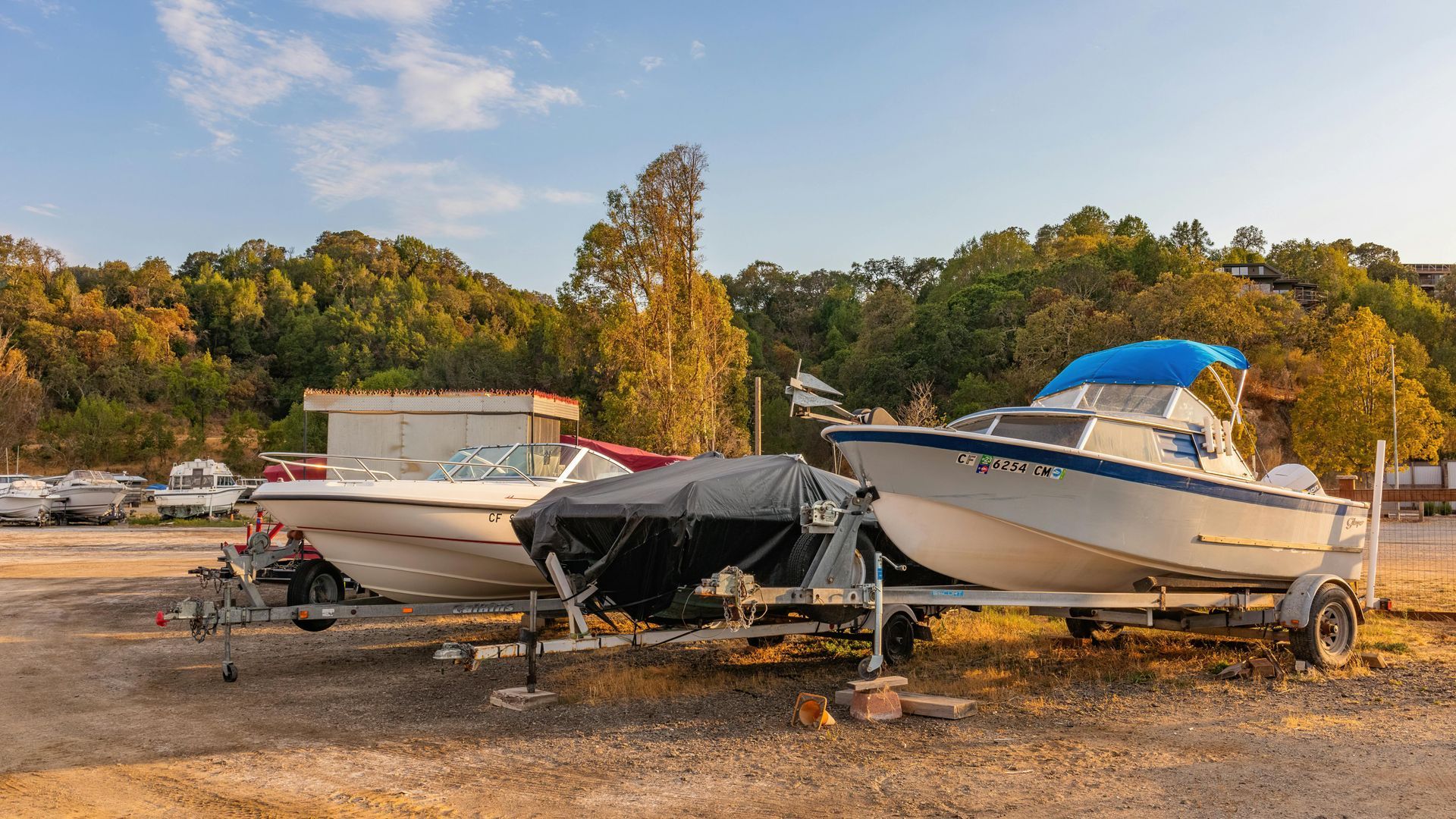
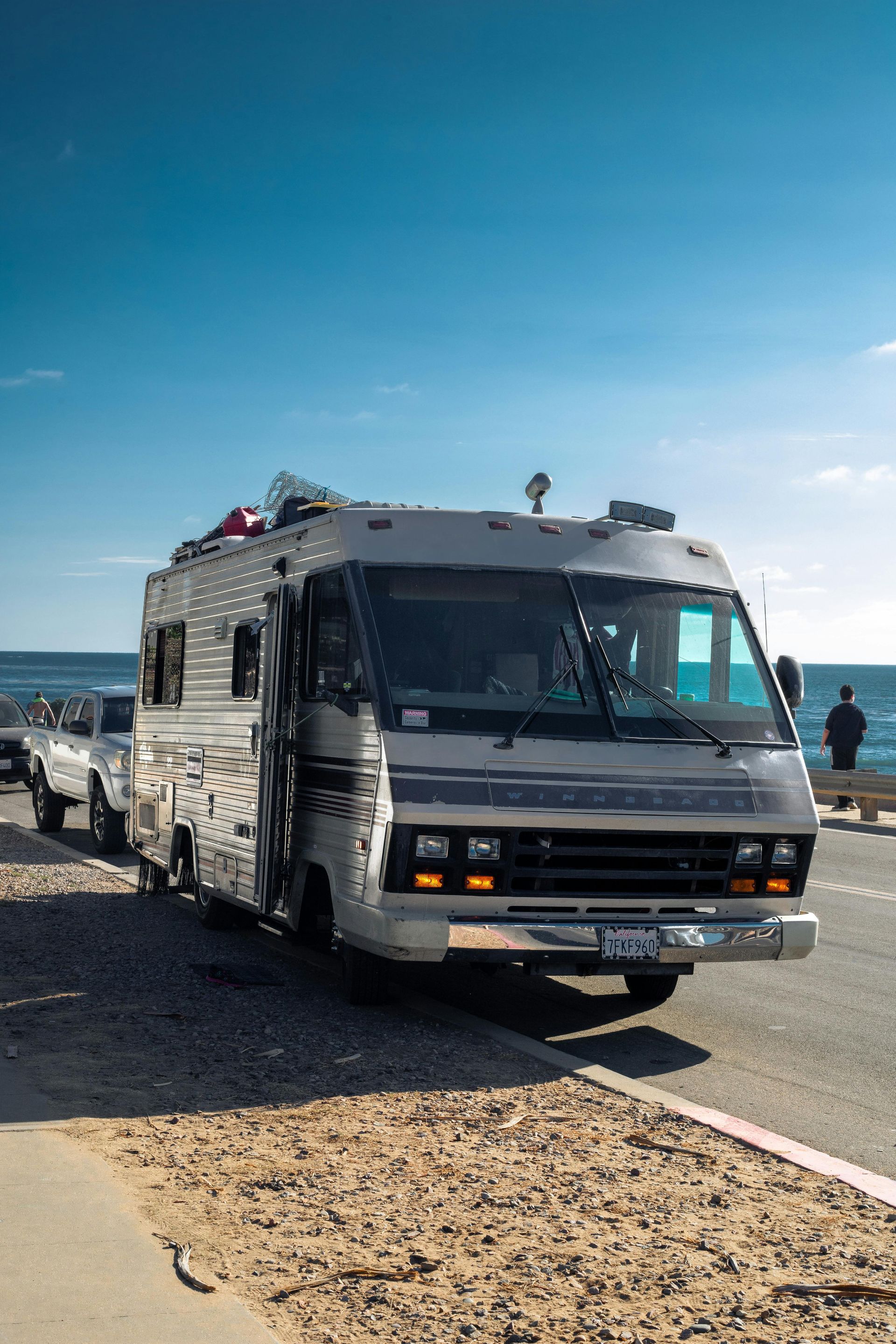
Many people think of storage simply as finding another place to park their RV or boat. In reality, proper storage is part of a much larger strategy for protecting a valuable investment throughout the entire year. When recreational vehicles remain parked indefinitely in residential driveways or on the street, they are exposed to countless sources of wear that slowly reduce their appearance and condition. Tree sap, bird droppings, blowing debris, accidental scratches, falling branches, and continuous sunlight all contribute to gradual deterioration. Even if none of these issues causes immediate damage, their cumulative effect becomes noticeable over several years. Choosing dedicated storage helps minimize many of these risks by providing a designated place where your vehicle can remain parked between adventures without experiencing the same level of daily exposure. It also allows homeowners to free up driveway space while complying with neighborhood parking guidelines that may limit long-term RV or boat parking.
For residents of Liberty, this is especially valuable because there are so many nearby opportunities to enjoy recreational vehicles throughout the year. Whether you're heading to Smithville Lake for a weekend on the water or planning a camping trip through northern Missouri, knowing your vehicle has been properly stored means you can spend less time dealing with maintenance issues and more time enjoying your destination. The Missouri Department of Conservation offers excellent information about boating access areas, fishing locations, and outdoor recreation opportunities throughout the region, making it a valuable resource for planning your next trip. Likewise, the City of Liberty Parks and Recreation Department provides information about local parks, trails, and community recreation that complement an active outdoor lifestyle.
Preparing Your RV or Boat Before Storage Makes Every Future Trip Easier
One of the biggest mistakes owners make is parking their recreational vehicle immediately after returning from a trip without preparing it for its next period of inactivity. Although it may seem easier to postpone maintenance until the following season, that delay often allows small problems to become much larger ones. Instead, think of storage preparation as the final step of every adventure rather than the first step of the next one. Washing the exterior removes insects, road grime, salt residue, algae, and dirt that can slowly damage paint or fiberglass if left in place for months. Cleaning also provides an ideal opportunity to inspect the vehicle closely for loose sealant, cracked caulking, dents, scratches, or signs of water intrusion before they develop into larger repairs.
The interior deserves just as much attention. Refrigerators should be emptied, food removed, cabinets cleaned, upholstery vacuumed, and surfaces wiped down to discourage pests and eliminate odors. Taking an extra hour after each trip can save hundreds or even thousands of dollars in future repairs while helping preserve your RV or boat's appearance. If you're preparing your recreational vehicle for an extended break between adventures, Liberty Bend Storage also offers additional guidance in A Step-by-Step Guide to Get Your RV Ready for the Season. Many of the maintenance practices recommended before travel are equally valuable before placing your RV into storage.
Don't Overlook the Mechanical Systems
While a clean exterior certainly helps preserve resale value, what happens under the hood, beneath the hull, or inside your RV's mechanical systems is equally important. Buyers may first notice shiny paint and clean upholstery, but experienced shoppers almost always ask about maintenance history before making an offer. A recreational vehicle that has been serviced consistently and stored properly inspires confidence, while one with an uncertain maintenance record often raises concerns. Before placing your RV or boat into storage for several weeks or months, it's worth spending a little extra time preparing its major systems. This routine maintenance helps prevent problems that commonly develop when vehicles remain inactive for extended periods. For example, fuel can begin to degrade, batteries gradually lose their charge, and tires may develop flat spots if left sitting in the same position for too long. Addressing these issues before storage is much easier and less expensive than dealing with repairs later.
A few important maintenance tasks include:
- Changing engine oil is recommended by the manufacturer.
- Filling the fuel tank and adding a fuel stabilizer when appropriate.
- Checking coolant, brake fluid, and other essential fluids.
- Disconnecting or maintaining batteries using a battery tender.
- Inflating tires to the manufacturer's recommended pressure.
- Lubricating hinges, moving parts, and mechanical components.
- Emptying holding tanks and winterizing plumbing systems for RVs when necessary.
Although every manufacturer has different maintenance schedules, following the owner's manual closely helps extend the life of the vehicle while demonstrating responsible ownership. These routine services may seem minor individually, but together they can significantly reduce the long-term effects of depreciation.
Maintenance Records Can Increase Buyer Confidence
Many owners focus exclusively on keeping their RV or boat clean while overlooking one of the easiest ways to support resale value: documentation. Keeping organized maintenance records provides tangible proof that your vehicle has been cared for consistently, something prospective buyers appreciate far more than verbal assurances.
Whenever you complete an oil change, replace tires, reseal the roof, service the trailer bearings, or repair mechanical components, save the receipts. Many owners also keep a notebook or digital spreadsheet recording maintenance dates, mileage, engine hours, and seasonal inspections. This simple habit requires very little effort, yet it paints a clear picture of responsible ownership over time. When it eventually comes time to sell, organized records often help distinguish your RV or boat from similar listings. Buyers tend to feel more comfortable purchasing a vehicle with documented maintenance because there is less uncertainty about its history. In some cases, thorough records can even shorten the selling process by answering many of the questions buyers would otherwise ask during negotiations.
Protecting the Exterior Helps Preserve Resale Value
First impressions matter. Before buyers inspect the engine, check the appliances, or ask about service history, they usually form an opinion within moments of seeing the vehicle. A clean, well-maintained exterior immediately suggests attentive ownership, while faded paint, cracked decals, stained upholstery, or damaged trim can leave the opposite impression. Fortunately, protecting the appearance of your RV or boat doesn't require complicated techniques. Washing the vehicle after each trip removes dirt, road grime, insects, bird droppings, and other contaminants that gradually damage finishes if left untouched. Applying wax or manufacturer-recommended protectants can also help shield exterior surfaces from oxidation while making future cleaning easier.
Likewise, keeping tires clean and properly inflated helps preserve both appearance and performance. Rubber naturally deteriorates over time, particularly when exposed to prolonged sunlight. Regular inspections allow you to spot cracking, uneven wear, or aging before these issues become safety concerns or reduce resale value. When your vehicle will remain parked for an extended period, proper storage becomes another layer of protection. Instead of sitting exposed in a driveway where it is continually subjected to dust, debris, tree sap, accidental bumps, and prolonged sun exposure, your investment remains in a dedicated location designed for long term parking. These small decisions accumulate over the years and often make a noticeable difference when it's finally time to sell.
Why Proper Storage Supports Long-Term Ownership
Some owners think about storage only when winter approaches or after returning from one final camping trip. In reality, storage should be viewed as part of an overall ownership strategy rather than a seasonal necessity. Every period of inactivity, whether it's two weeks or several months, presents an opportunity to protect your investment from unnecessary wear. Having a dedicated place to store your RV or boat also makes ownership more convenient. Instead of sacrificing valuable driveway space or worrying about neighborhood parking restrictions, owners can keep recreational vehicles safely stored until the next adventure. This convenience becomes especially valuable for larger motorhomes, travel trailers, fifth wheels, or boats that can occupy significant space at home.
Another often overlooked advantage is peace of mind. Knowing your vehicle has been cleaned, inspected, and properly stored allows you to focus on planning your next trip instead of wondering what maintenance surprises may be waiting when you uncover it months later. For Liberty area residents, this means spending less time preparing for every outing and more time enjoying Missouri's many outdoor destinations.
A Little Prevention Today Can Save Thousands Tomorrow
One of the biggest misconceptions about depreciation is that it happens only because a vehicle gets older. While age certainly plays a role, neglect often has a much greater impact on resale value than the passing of time itself. For example, a ten-year-old RV that has been cleaned regularly, inspected seasonally, serviced according to the manufacturer's recommendations, and stored carefully may command significantly more interest than a newer model showing obvious signs of neglect. Buyers recognize the difference between normal aging and preventable damage, and they are often willing to pay accordingly.
Preventative care also helps owners save money long before they decide to sell. Catching a minor roof leak before it damages insulation, replacing worn seals before water enters the interior, or maintaining batteries before they fail unexpectedly are all examples of relatively inexpensive maintenance that prevent much larger repair bills later. In other words, slowing depreciation isn't just about maximizing resale value. It's also about reducing ownership costs throughout the life of your recreational vehicle.
Storage Is One Piece of a Larger Investment Strategy
Every recreational vehicle represents a substantial financial commitment, but it is also an investment in experiences. Family vacations, fishing weekends, camping trips, and afternoons on the lake create memories that often last much longer than the vehicle itself. Protecting that investment means taking care of both its appearance and its mechanical condition so those adventures can continue for years to come. Proper storage works alongside regular maintenance, routine inspections, and responsible ownership to reduce unnecessary wear and keep your RV or boat in the best possible condition. No storage solution can eliminate depreciation, but thoughtful preparation and consistent care can slow its effects considerably while helping preserve long term value. If you're looking for additional ideas on preparing your vehicle between adventures, Liberty Bend Storage also shares helpful information in Outdoor RV and Boat Parking at Liberty Bend Storage, including practical considerations for seasonal parking and protecting your investment throughout the year.
Depreciation is an unavoidable part of owning an RV or boat, but it doesn't have to happen faster than necessary. Every decision you make, from routine maintenance and regular cleaning to documenting service history and choosing the right storage solution, contributes to the long term condition of your investment. Over the years, these consistent habits can help reduce repair costs, improve reliability, and preserve more of your vehicle's resale value when it's eventually time to upgrade. For recreational vehicle owners throughout Liberty, Missouri, proper storage is one of the simplest ways to protect an investment between adventures. Exploring storage options in Liberty, MO, and selecting the appropriate space with the storage size guide can help keep your RV or boat protected while it's not in use. Whether your next destination is Smithville Lake, Watkins Mill State Park, or another favorite Missouri getaway, thoughtful storage and preventative maintenance help ensure your vehicle is ready whenever the next adventure begins.