Do You Really Need Climate-Controlled Storage? Here’s What Liberty, MO Residents Should Know Before Choosing a Unit
When people begin searching for storage, one question usually comes up almost immediately: Is climate-controlled storage actually necessary, or is it simply an upgrade that sounds more important than it really is? At first glance, all storage units are similar. You need extra space, you rent a unit, and you move your belongings inside. However, once you start thinking about what you are storing and how long those items may remain there, the decision becomes far more important. Furniture, electronics, collectibles, family heirlooms, and business equipment all respond differently to changes in temperature and humidity levels. While some belongings can handle environmental fluctuations reasonably well, others slowly deteriorate without you noticing until the damage has already happened.
That is why many people searching for climate-controlled storage in Liberty, MO, spend time comparing the long term value of added protection versus the short term savings of a traditional storage unit. In many situations, climate-controlled storage is less about luxury and more about preserving the condition, functionality, and lifespan of the things you care about most. For Liberty residents, storage needs often evolve alongside life changes. Growing families, home renovations, downsizing projects, relocations, seasonal hobbies, and recreational travel can all create the need for additional space. At the same time, people are storing more valuable and delicate belongings than ever before, which makes choosing the right storage environment increasingly important.
Key Points for Readers Short on Time
- Climate-controlled storage helps protect sensitive belongings from humidity and temperature fluctuations.
- Electronics, wooden furniture, artwork, documents, instruments, and collectibles often benefit the most.
- Long-term storage increases the importance of stable indoor conditions.
- Liberty residents with active outdoor lifestyles frequently use storage for seasonal gear and valuable equipment.
- The cost of climate-controlled storage is often lower than replacing damaged belongings later.
What Climate Controlled Storage Actually Does
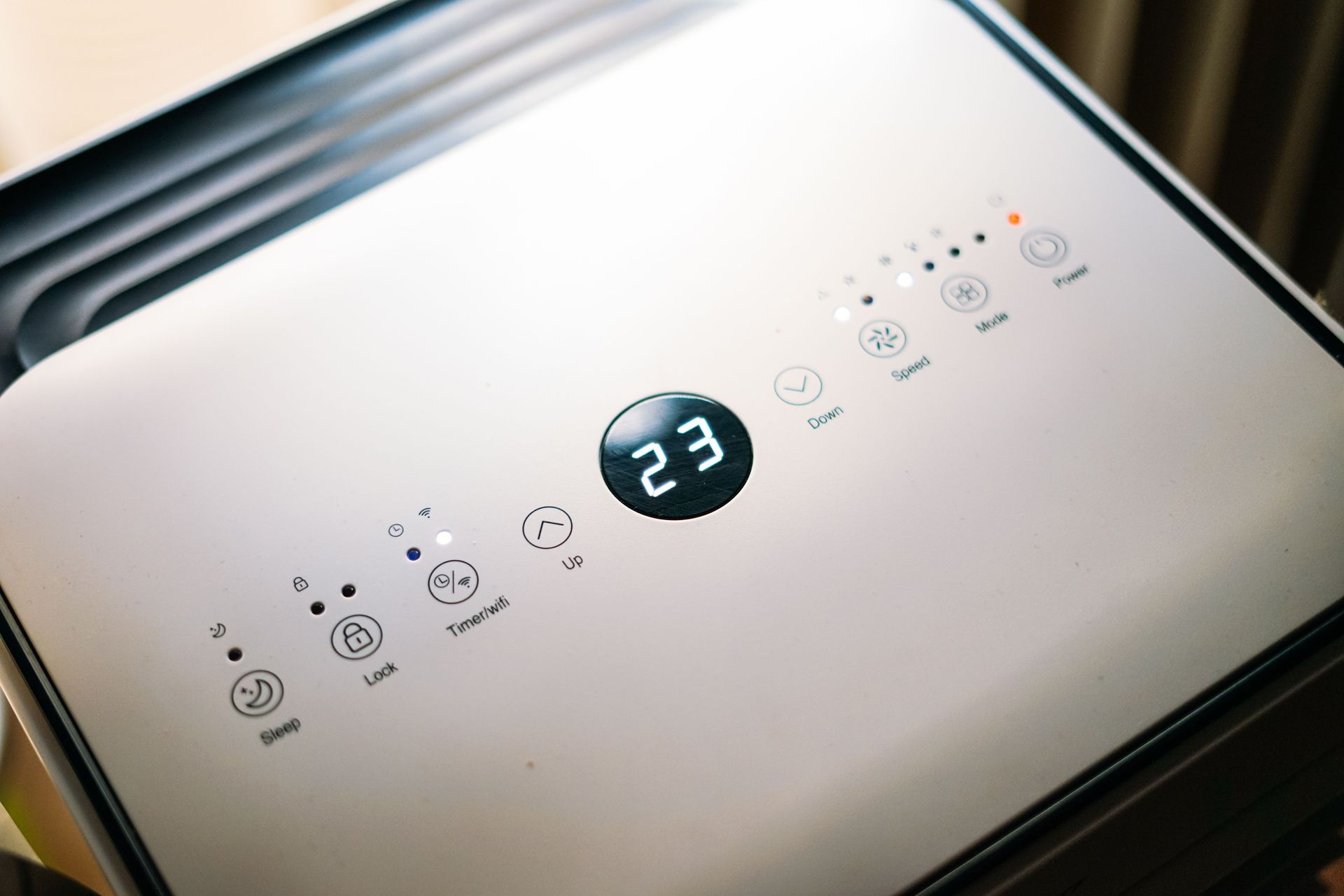
Many people hear the phrase “climate-controlled storage” without fully understanding what it means in practice. Simply put, climate-controlled units are designed to maintain a more stable indoor environment throughout the year. Instead of exposing belongings to major swings in heat, cold, or moisture, these units help create more consistent conditions over time. That consistency matters because many common household items react poorly to environmental fluctuations. Wood expands and contracts. Fabric absorbs moisture. Electronics can develop corrosion internally. Paper products weaken or discolor. Even materials that seem durable on the surface may experience gradual damage after months of exposure to unstable conditions.
In other words, climate-controlled storage focuses less on comfort and more on preservation. While you may not notice damage immediately, long-term exposure to fluctuating environments can slowly affect the quality and lifespan of important belongings. This becomes especially relevant during extended storage situations. Many people initially expect to use storage for only a few weeks, but timelines often change unexpectedly. A remodeling project may take longer than planned. A temporary move can turn into a long-term transition. Seasonal storage can stretch well beyond one season. Because of that, protecting belongings properly from the start often prevents frustration later. People preparing for major life transitions frequently realize how quickly storage needs can grow. Articles like How Self Storage Can Make Your Move Easier explore how strategic storage solutions can simplify moving logistics while helping protect valuable items during stressful periods.
Which Belongings Benefit Most From Climate-Controlled Storage?
Not everything requires climate-controlled storage. Some items are naturally more durable and can hold up well in standard storage conditions. However, many everyday belongings contain materials that are surprisingly sensitive to temperature and humidity changes. Understanding which items are most vulnerable can make the decision much easier.
Wooden Furniture and Home Décor
Wood is one of the most commonly damaged materials in long-term storage. Furniture naturally absorbs and releases moisture depending on environmental conditions. Over time, that repeated expansion and contraction can lead to cracking, splitting, warping, or weakened joints. Dining tables, dressers, bed frames, bookshelves, and antique furniture are especially vulnerable. Upholstered furniture can also trap moisture, which may eventually create odors or mildew buildup inside cushions and fabrics. This becomes even more important when storing heirloom furniture or custom pieces that would be difficult or expensive to replace. While climate-controlled storage cannot stop aging entirely, it can help reduce unnecessary environmental stress on these materials.
Electronics and Digital Equipment
Modern households contain more electronics than ever before. Televisions, desktop computers, gaming systems, speakers, monitors, cameras, and kitchen appliances all contain delicate internal components that are sensitive to environmental conditions. Humidity can contribute to corrosion on circuits and wiring, while excessive heat may shorten the lifespan of batteries and electronic parts. Even if electronics appear perfectly fine on the outside, internal damage may slowly develop while in storage. Because many electronics represent significant investments, climate-controlled storage often provides an extra layer of reassurance for long term storage situations.
Documents, Books, and Photographs
Paper products are highly sensitive to moisture and environmental instability. Important legal documents, tax records, photo albums, books, artwork, and collectible paper items can curl, fade, yellow, or develop mold over time. Family photographs are particularly difficult because they often hold sentimental value that cannot truly be replaced. Once moisture damage occurs, restoration can become extremely expensive or impossible altogether. For people storing personal archives, business records, or irreplaceable keepsakes, climate-controlled storage helps create a safer long-term environment.
Musical Instruments
Musical instruments are another category that benefits greatly from stable storage conditions. Instruments often combine wood, metal, adhesives, strings, and delicate finishes that all react differently to environmental changes. Guitars may warp or crack. Drum shells can shift. Brass instruments may corrode internally. Pianos are especially sensitive to humidity fluctuations, which can affect both sound quality and structural integrity. Whether someone plays professionally or simply enjoys music as a hobby, protecting instruments properly during storage helps preserve both performance and value.
Collectibles and Hobby Collections
Collectors understand how important condition can be. Sports memorabilia, comic books, vinyl records, trading cards, vintage toys, and collectibles may lose significant value if exposed to moisture or temperature damage. Even minor warping, discoloration, or mildew can affect long-term collectibility. Because many collections represent years of investment and personal passion, climate-controlled storage offers an added level of protection that many collectors consider worthwhile.
Why Long-Term Storage Changes Everything
One of the biggest misconceptions about storage is assuming belongings will only remain inside the unit briefly. In reality, storage timelines often extend much longer than originally planned. At first, someone may think they only need temporary storage during a move or renovation. Then schedules shift. Construction delays happen. Family plans evolve. Before long, several months have passed.
The longer items remain in storage, the more important environmental stability becomes. Small amounts of moisture or repeated temperature fluctuations may not create noticeable issues after a few days, but over many months, those conditions can gradually affect materials in ways that become difficult to reverse. Because of that, climate-controlled storage often works best as preventative protection. Instead of waiting for visible damage to occur, renters choose more stable storage conditions upfront to help avoid potential deterioration later. The Self Storage Association also provides recommendations for storing household items safely over extended periods, including guidance on packing materials, organization, and moisture prevention.
Storage Needs in Liberty, MO, Continue to Evolve
Liberty continues to attract families, professionals, students, and outdoor enthusiasts who appreciate both convenience and community. Located near Kansas City, Liberty offers access to shopping, dining, parks, and recreational opportunities while still maintaining a more relaxed atmosphere than larger urban areas. As the community grows, so does the variety of storage needs residents experience throughout the year. Some people need temporary storage during home upgrades or moves. Others need space for recreational equipment, business inventory, or seasonal belongings that no longer fit comfortably at home. Many Liberty residents also spend time enjoying outdoor recreation throughout the region. Nearby parks, trails, campgrounds, and lakes encourage active lifestyles that often require extra equipment storage. Boats, fishing gear, camping supplies, and seasonal outdoor accessories can quickly take over garages and spare rooms.
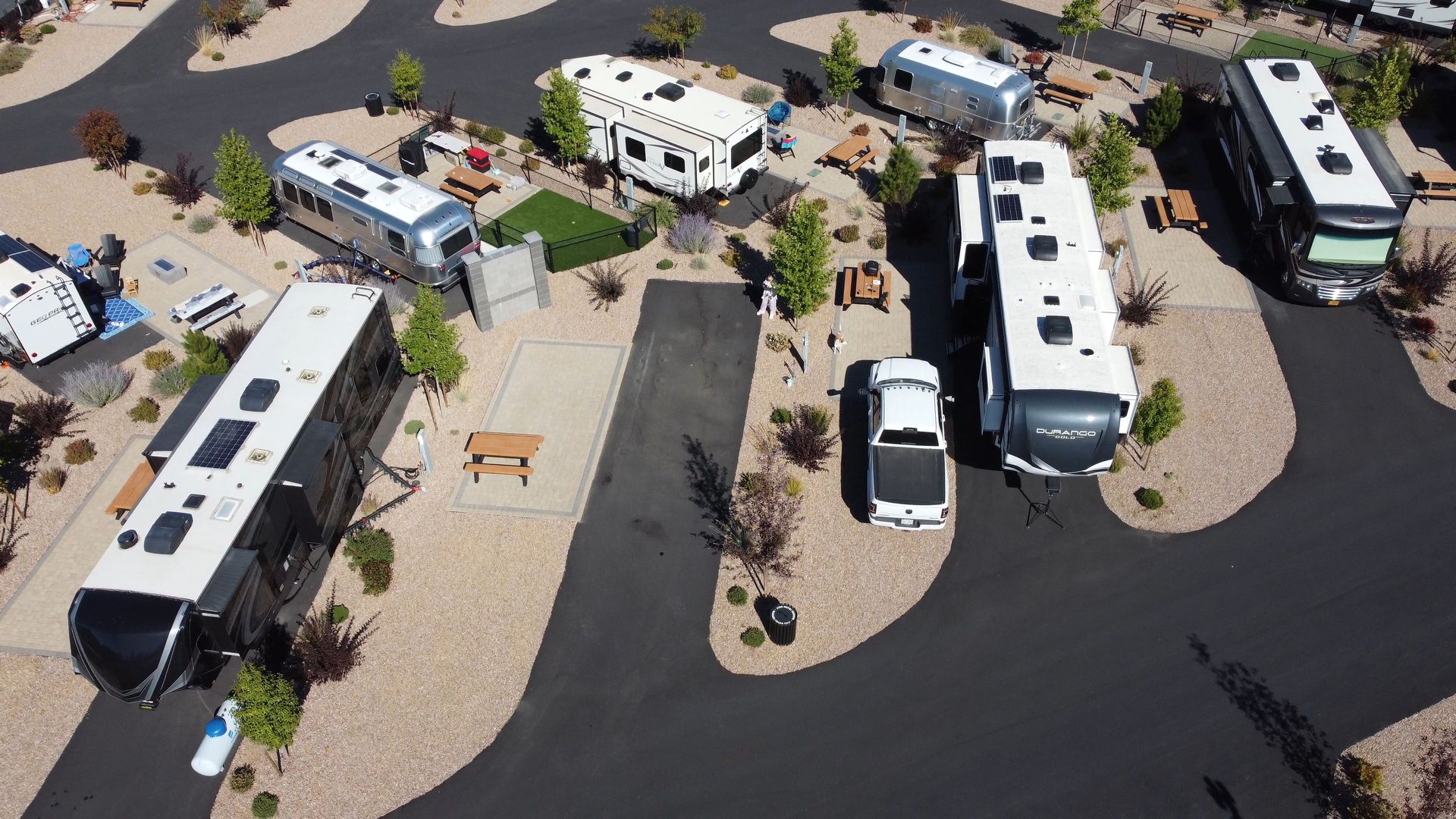
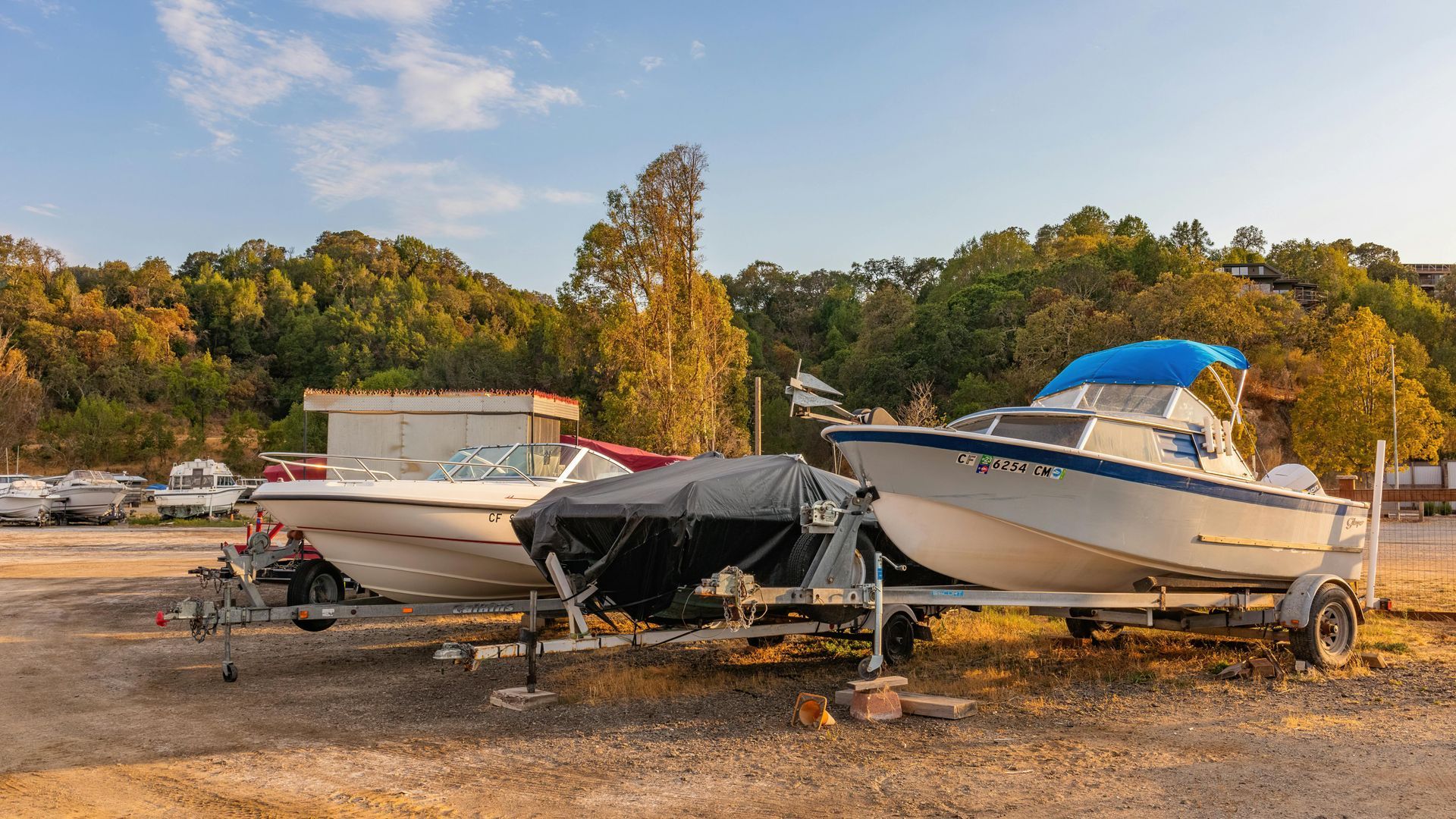
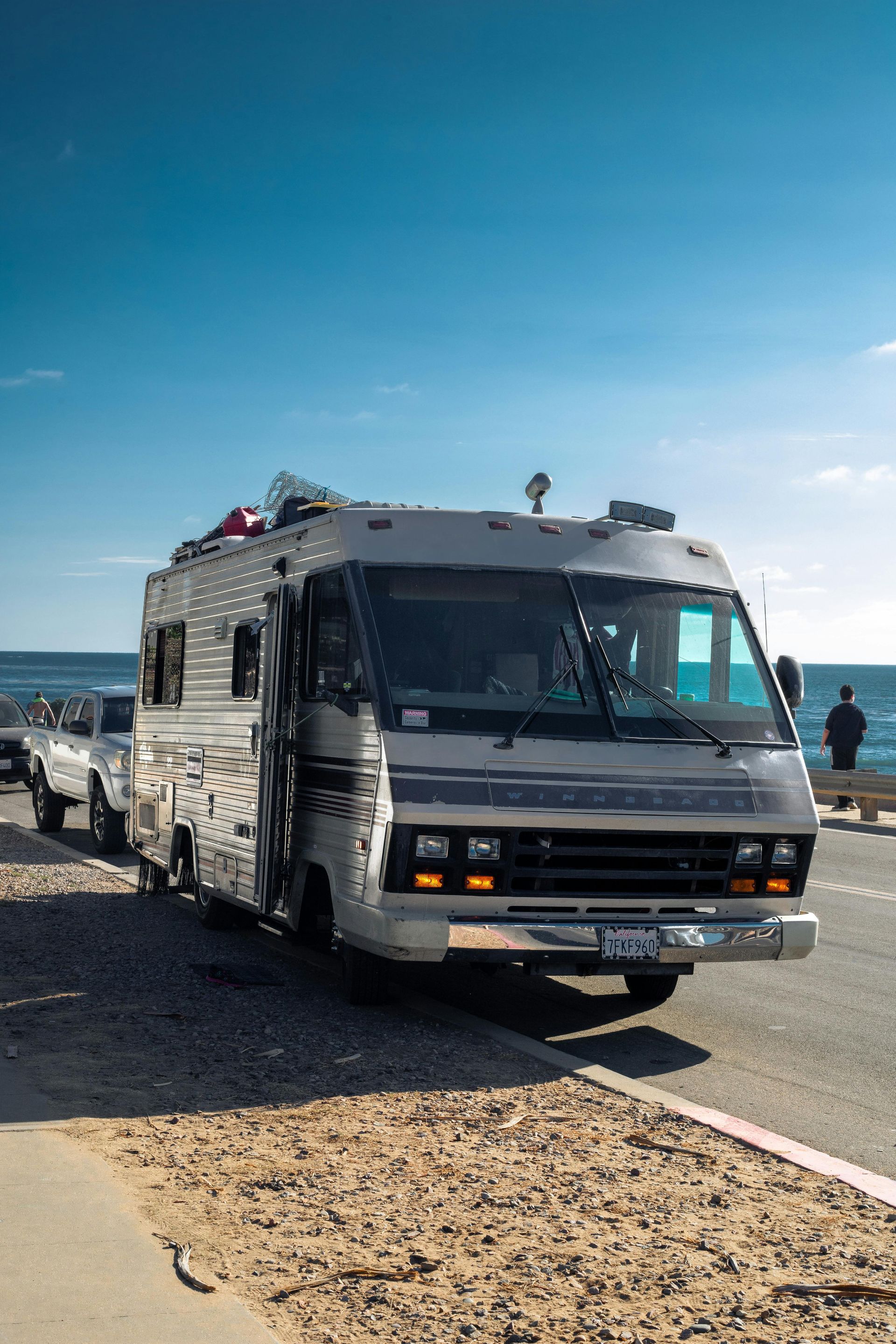
Residents who use storage for recreational vehicles and seasonal equipment often combine multiple storage solutions. Articles like Outdoor RV and Boat Parking at Liberty Bend Storage explain how secure storage can help support outdoor lifestyles while keeping valuable belongings organized year-round. Additionally, Liberty’s growing community calendar and recreational spaces continue attracting residents looking for both convenience and quality of life. Information about local parks, trails, and community activities can be found through the City of Liberty’s official website.
Is Climate-Controlled Storage Worth the Additional Cost?
For many renters, cost becomes the deciding factor when comparing storage options. Climate-controlled units typically cost more than standard units, which naturally raises the question of whether the added expense is justified. The answer usually depends on the value of what you are storing. For example, replacing damaged furniture, electronics, instruments, photographs, or collectibles can become far more expensive than the monthly price difference between storage unit types. In some cases, sentimental items cannot truly be replaced at all.
Additionally, climate-controlled storage often provides peace of mind during already stressful situations. When people are moving, renovating, downsizing, or managing life transitions, knowing their belongings are stored in a more stable environment removes one additional source of uncertainty. Rather than viewing climate-controlled storage purely as an upgrade, many renters see it as a form of protection for investments they have already made.
Signs Climate Controlled Storage May Be the Right Choice
Sometimes the easiest way to decide is by evaluating your specific storage situation. Climate-controlled storage may make sense if:
- You plan to store belongings for several months or longer.
- Your items contain wood, fabric, electronics, paper, or delicate materials.
- The belongings have sentimental or financial value.
- You would be frustrated or financially impacted if damage occurred.
- You want greater long-term consistency and protection.
Meanwhile, standard storage units may still work perfectly well for durable tools, outdoor equipment, or items that are less sensitive to environmental changes. Ultimately, the decision depends less on how much you are storing and more on what those belongings mean to you.
Proper Packing Still Matters
Even when using climate-controlled storage, proper packing techniques still play an important role in protecting belongings effectively. Furniture should be cleaned thoroughly before storage to avoid trapping dust or moisture. Electronics benefit from original packaging whenever possible. Boxes should remain elevated slightly off the floor and organized to allow airflow throughout the unit. It is also helpful to avoid overpacking storage spaces. Leaving pathways and maintaining organization reduces unnecessary shifting, stacking pressure, and accidental damage over time. Many experienced renters discover that organization becomes increasingly important during long-term storage. A well-packed unit not only protects belongings better but also makes retrieval much easier months later.
Climate-controlled storage is not necessary for every storage situation, but it can make a meaningful difference when protecting valuable or sensitive belongings over time. While standard units remain perfectly suitable for some items, others benefit significantly from more stable indoor conditions. The key is understanding what you are storing, how long you expect those items to remain in storage, and how difficult they would be to replace if damage occurred. Once you evaluate those factors honestly, the right storage solution often becomes much clearer. For residents researching climate-controlled storage in Liberty, MO, choosing a storage environment that supports long-term protection, organization, and convenience can help preserve important belongings while simplifying major life transitions along the way.